The True Financial Cost of Ignoring Rats in Your Attic
Quick Answer: Every Month You Wait Costs You Money
Here’s the uncomfortable math that most homeowners don’t hear until it’s too late: the cost of dealing with rats in your attic roughly doubles for every six months you delay. A problem that costs $3,000 to $5,000 to resolve in the first couple of months can reach $10,000 to $15,000 after a year of ignoring it.
Rats don’t plateau. They breed, they spread, and the damage they leave behind compounds. What starts as a few droppings in one corner becomes a full attic’s worth of contaminated insulation, chewed wiring, and a colony that’s dug in deep.
Key takeaway: There is no scenario where waiting to address rats in your attic saves you money. The cheapest day to deal with this problem is today. The second cheapest day is tomorrow. It only gets more expensive from here.
The Damage Timeline: What Happens Month by Month
This timeline is based on what we consistently see in attics across King County and Snohomish County. Every situation varies, but the progression is remarkably predictable.
Month 1-2: The Entry Phase
A pair of rats finds entry through a gap in the roofline, a soffit vent, or where pipes penetrate the exterior. They establish a nesting site, typically in the warmest section of the attic near insulation. At this stage:
- Light droppings along travel paths
- Minor displacement of insulation around the nest
- Scratching or scurrying sounds at night
- 2 to 4 rats in the space
Damage cost if addressed now: $3,000 to $5,000 — Exclusion, targeted cleanup, and partial insulation repair.
Month 3-6: Colony Establishment
The original pair has produced their first litter, and those offspring are approaching breeding age. The colony expands to 10 to 20+ individuals. Activity spreads across a wider area of the attic.
- Droppings scattered throughout multiple areas
- Visible tunneling through insulation batts
- Urine staining becoming detectable by smell
- Possible chewing on ductwork or wiring
- Insulation losing R-value from compression and contamination
Damage cost if addressed now: $5,000 to $9,000 — Full exclusion, comprehensive cleanup, and significant insulation replacement.
Month 6-12: Full Infestation
The colony is now well established with multiple generations breeding simultaneously. The attic has become a permanent habitat.
- Heavy contamination across the majority of the attic
- Strong ammonia odor detectable from living spaces
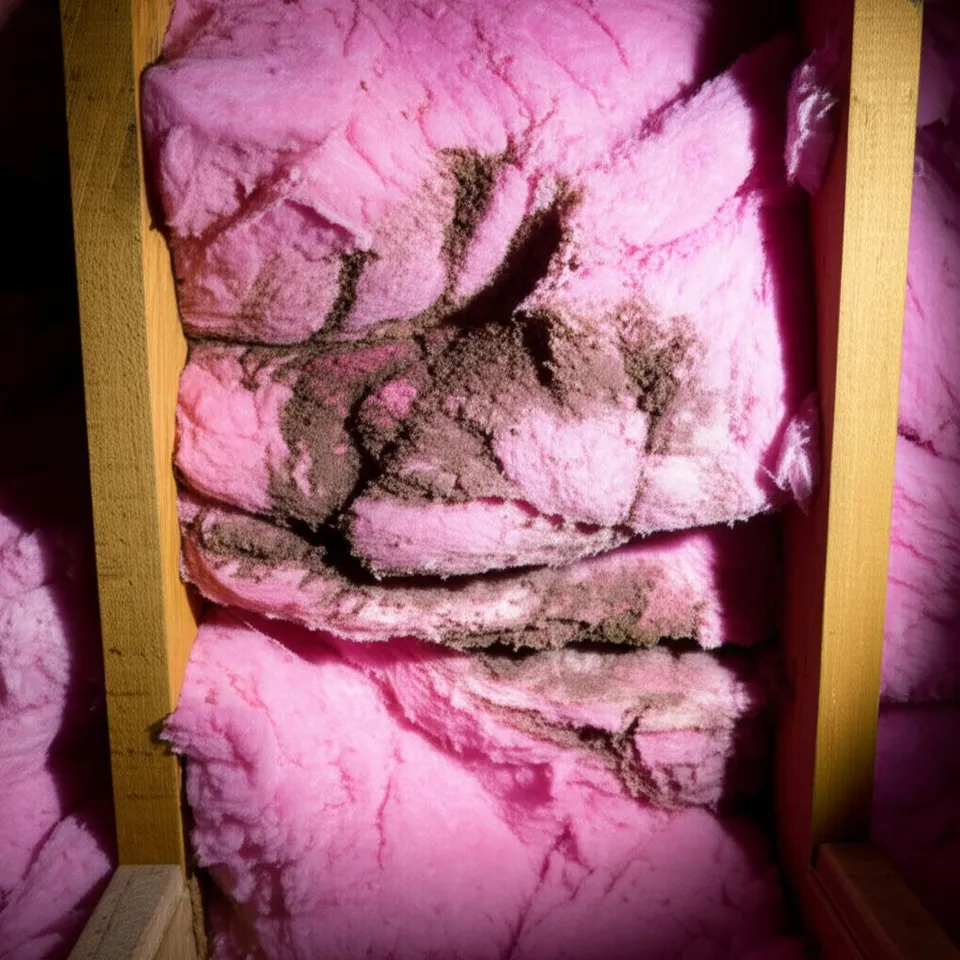
- Insulation severely compromised — large sections flattened, tunneled, or saturated
- Wiring damage increasingly likely
- Ductwork potentially breached, allowing contaminated air into HVAC system
- Structural chewing on wood framing possible
Damage cost if addressed now: $8,000 to $15,000+ — Extensive exclusion, full attic cleanout, complete insulation replacement, and likely additional repairs.
Beyond 12 Months: Severe, Compounding Damage
At this point, you’re not just dealing with rodent remediation — you’re potentially dealing with electrical repair, duct replacement, structural assessment, and possibly even mold growth in insulation that has absorbed moisture from urine.
Damage cost: $12,000 to $20,000+ — Everything above, plus specialty repairs that go well beyond standard rodent remediation.
The Cost Escalation Table
Here’s the full picture, laid out so you can see exactly how the numbers compound:
| Timeline | Colony Size | Contamination Level | Estimated Total Cost | Key Cost Drivers |
|---|---|---|---|---|
| Month 1-2 | 2–4 rats | Light, localized | $3,000–$5,000 | Exclusion + targeted cleanup |
| Month 3-6 | 10–20+ rats | Moderate, spreading | $5,000–$9,000 | + significant insulation replacement |
| Month 6-12 | 20–40+ rats | Heavy, widespread | $8,000–$15,000 | + full insulation replacement, potential wiring/duct work |
| 12+ months | 40+ rats | Severe, structural | $12,000–$20,000+ | + electrical, ductwork, structural repairs |
These are not worst-case scare numbers. These are the ranges we consistently see across our service area. The difference between the low and high end at each stage depends on attic size, number of entry points, and whether wiring or ductwork has been damaged.
For a detailed breakdown of what each phase of repair costs individually, our guide on rodent damage attic repair costs covers every line item.
Where the Money Goes: Cost Breakdown by Category
Understanding what you’re paying for helps explain why the total climbs so fast.
Insulation Replacement: The Biggest Line Item
Contaminated insulation is the single most expensive component of a delayed rodent repair. Here’s why it hits so hard:
| Delay | Insulation Affected | Replacement Cost |
|---|---|---|
| 1-2 months | 10–20% of attic | $500–$1,500 |
| 3-6 months | 30–60% of attic | $1,500–$3,000 |
| 6-12 months | 60–100% of attic | $2,500–$4,500 |
| 12+ months | 100% + subfloor contamination | $3,500–$6,000+ |
Rodent-contaminated insulation cannot be sanitized in place. The urine, droppings, and nesting material are woven into the fiberglass or cellulose. Partial cleanup doesn’t work — the contaminated sections have to come out and be replaced. When we replace attic insulation, we blow in new material to the current R-49 code requirement, which means you get a full thermal upgrade as part of the remediation.
Electrical Wiring Damage: The Hidden Danger
Rats chew wiring not because they’re hungry but because their teeth never stop growing. Gnawing on hard materials keeps their incisors filed down, and electrical wires happen to be the perfect diameter and resistance.
| Wiring Damage Scenario | Repair Cost | Risk |
|---|---|---|
| Minor chewing on 1-2 wire runs | $500–$1,500 | Moderate fire risk |
| Multiple chewed wires across attic | $1,500–$4,000 | High fire risk |
| Wiring damaged inside walls (followed runs down) | $3,000–$8,000 | Serious fire risk, major repair |
The National Fire Protection Association has documented rodent-damaged wiring as a contributing factor in residential structure fires. This is not hypothetical. Exposed copper conductors can arc against wood framing or insulation, and the result is exactly what you’d expect.
Pro tip: If you’ve had rats in your attic for more than a few months, have an electrician inspect the wiring even after the rodents are removed. Chewed insulation on wiring doesn’t always fail immediately — it can degrade over time and cause problems months or years later.
Ductwork Damage
HVAC ductwork running through the attic is a common target. Rats chew through flex duct to access the warm air inside, and once the ducts are breached, contaminated attic air gets pulled directly into your HVAC system and distributed throughout the house.
- Duct repair (patching 1-2 breaches): $300–$800
- Duct replacement (multiple damaged sections): $1,000–$3,000
- Full duct cleaning after contamination: $400–$800
The Health Cost You Can’t See on a Bill
While this post focuses on financial costs, the health impact deserves mention because it influences how urgently you should act.
| Health Hazard | Source | Who’s Most at Risk |
|---|---|---|
| Hantavirus | Deer mouse droppings (aerosolized) | Anyone disturbing contaminated material |
| Salmonella | Rat droppings | Children, elderly, immunocompromised |
| Leptospirosis | Rat urine | Anyone with direct or indirect contact |
| Respiratory irritation | Accumulated allergens in contaminated insulation | Allergy and asthma sufferers |
Up to 40% of the air in your first floor originates from the attic and crawl space through the stack effect. That means contaminated insulation is not just an attic problem — it’s an indoor air quality problem for everyone living in the house. The longer the contamination sits, the more accumulated exposure your family has.
Three Real-World Cost Scenarios
These scenarios are composites based on actual projects we’ve completed in the Seattle area. They illustrate how the same underlying problem produces very different bills depending on timing.
Scenario A: Caught It Early (2 Months)
A homeowner in Shoreline hears scratching sounds at night and calls within a few weeks. Inspection finds 3 rats, 4 entry points, and light contamination in about 15% of the attic.
| Service | Cost |
|---|---|
| Rodent exclusion (4 entry points) | $1,200 |
| Targeted attic cleanup | $1,000 |
| Partial insulation replacement | $1,200 |
| Total | $3,400 |
Scenario B: Waited Six Months
A homeowner in Kent notices droppings during a summer attic visit but decides to “deal with it later.” By winter, the smell is noticeable downstairs. Inspection reveals 15+ rats, 9 entry points, contamination across 70% of the attic, and chew marks on two wire runs.
| Service | Cost |
|---|---|
| Rodent exclusion (9 entry points) | $1,800 |
| Full attic cleanup and sanitization | $3,200 |
| Insulation removal and replacement (to R-49) | $3,500 |
| Electrical wiring repair | $1,200 |
| Total | $9,700 |
Scenario C: Ignored It for Over a Year
A homeowner in Renton knew about the rats but kept putting off the call. After 14 months, the entire attic is heavily contaminated, multiple duct sections are breached, wiring damage is extensive, and there’s visible urine staining on the subfloor sheathing.
| Service | Cost |
|---|---|
| Rodent exclusion (12+ entry points) | $2,400 |
| Full attic cleanout and sanitization | $4,000 |
| Complete insulation replacement (to R-49) | $4,500 |
| Ductwork replacement (3 sections) | $2,200 |
| Electrical repair | $2,800 |
| Subfloor treatment | $1,500 |
| Total | $17,400 |
The difference between Scenario A and Scenario C is $14,000. That’s the cost of waiting.
Why Early Intervention Is the Best Financial Decision
Put aside the health risks and the fire hazard for a moment and look at this purely as a financial decision:
| Action | Cost | What You Get |
|---|---|---|
| Act in month 1-2 | $3,000–$5,000 | Problem fully resolved, minimal damage |
| Act in month 6 | $5,000–$9,000 | Problem resolved, significant restoration needed |
| Act in month 12+ | $8,000–$15,000+ | Problem resolved, extensive repairs across multiple trades |
| Do nothing | Ongoing energy loss + health risk + fire risk | No resolution, costs continue accumulating |
Early intervention through professional rodent proofing is the single most cost-effective move you can make. Sealing entry points before the colony grows means the cleanup and insulation phases stay small.
Pro tip: If you’re hearing sounds in your attic but aren’t sure if it’s rats, don’t wait for confirmation. An inspection takes less than an hour and gives you a definitive answer. The cost of a false alarm inspection is zero. The cost of ignoring the real thing is thousands.
The Three-Phase Fix
If you do have rats, the remediation process follows a specific order. Skipping a phase guarantees you’ll be back at it within months.
-
Rodent exclusion — Seal every entry point so no new rats can enter. This has to happen first, or cleanup is pointless. Our rodent proofing service covers full exterior and attic inspection with all gaps sealed.
-
Attic cleanup and sanitization — Remove all contaminated material, HEPA vacuum droppings and debris, apply antimicrobial treatment. Our attic cleanup service handles the full scope including proper disposal of contaminated insulation.
-
Insulation replacement — Remove damaged insulation and install new blown-in to current code. This restores your attic’s thermal performance and eliminates the source of ongoing air quality issues. Our insulation service includes removal of old material and installation to R-49.
For a deeper dive into removal strategies specific to the Puget Sound area, our guide on how to get rid of rats in your attic in Seattle covers the full process.
Stop the Clock on Escalating Costs
If you’re reading this and you know — or suspect — you have rats in your attic, the best thing you can do right now is find out how far it’s gone. Every week that passes adds to the eventual bill. The colony grows, the contamination spreads, and the scope of work expands.
We inspect attics across King County and Snohomish County and give you a straightforward assessment: here’s what we found, here’s what needs to happen, and here’s what it costs. No scare tactics, no inflated timelines — just an honest evaluation and a clear plan.
Get your free attic inspection — the sooner you know, the less it costs to fix.

"I've walked into attics where the homeowner heard scratching for six months and did nothing. By that point the insulation is destroyed, the wiring is chewed, and there's mold growing in the contamination. What would have been a $2,500 exclusion job is now a $12,000 full restoration."
Sadeq, Owner
"The health risk is the part that concerns me most. Rodent droppings dry out and become airborne dust. That gets pulled into your living space through every gap in the ceiling. Families with kids or anyone with respiratory issues are breathing contaminated air every day and don't even know it."
Sadeq, Owner
Frequently Asked Questions
How much does it cost to fix rat damage in an attic?
The full cost of fixing rat damage in a Seattle-area attic ranges from $3,000 to $15,000 or more depending on how long the rats have been active. Early intervention with light contamination typically runs $3,000 to $5,000. A severe infestation that has been going on for a year or more, with heavy insulation damage and potential wiring issues, can reach $10,000 to $15,000 or beyond.
What happens if you ignore rats in your attic?
Rats reproduce quickly, and a small problem becomes a large one within months. Over time, they contaminate and destroy insulation, chew through electrical wiring creating a fire hazard, damage ductwork, leave behind droppings and urine that affect indoor air quality, and compromise structural wood. The repair costs roughly double every six months you wait.
How fast do rats multiply in an attic?
A single pair of Norway rats can produce 4 to 6 litters per year with 6 to 12 pups per litter. Under ideal conditions, which an attic provides, two rats can lead to a colony of 20 or more within six months. Their offspring begin breeding at around 3 months of age, so the population grows exponentially if left unchecked.
Can rats in the attic cause a house fire?
Yes. Rats chew through electrical wiring insulation to wear down their constantly growing teeth. Exposed wires can arc and ignite surrounding insulation or wood framing. The National Fire Protection Association has documented rodent-chewed wiring as a contributing factor in residential fires. The risk increases the longer rats have access to your attic wiring.
Do rats in the attic affect your health?
Rats in the attic create ongoing health risks. Their droppings and urine contaminate insulation and surfaces with bacteria including salmonella and leptospira. In the Pacific Northwest, deer mice can carry hantavirus, which becomes airborne when contaminated dust is disturbed. The stack effect pulls contaminated air from the attic into your living space, exposing occupants to allergens and pathogens continuously.
Is it cheaper to deal with rats early or wait?
Dramatically cheaper to act early. Catching a rat problem within the first month or two typically costs $3,000 to $5,000 for exclusion, cleanup, and partial insulation work. Waiting a year can push total costs to $8,000 to $15,000 or more, plus potential expenses for electrical repair, ductwork replacement, and even structural wood treatment. Early intervention costs roughly one-third of what delayed response costs.